


Home » Product » Front Doors » Pivot Door » Solid Wood Pivot Door vs Steel & MDF Doors High-End Timber Door Factory
 |

loading


Share to:


Product Description
Modern Solid Wood Pivot Door: A High-Performance Alternative to Steel, MDF, and Hollow Core Doors
Rethinking Door Material Selection for Modern Projects
For architects, developers, builders, and door distributors, selecting the right entry door is no longer just a matter of appearance. The decision directly impacts building value, lifecycle cost, maintenance requirements, energy efficiency, and occupant experience.
Many project buyers begin their sourcing journey by searching terms such as:
Solid wood door vs hollow core door
Timber door vs steel door
MDF door vs solid wood door
Commercial timber doors alternative
High-end solid wood door factory
The challenge is that product categories often overlap in marketing claims while differing significantly in real-world performance.
The modern Solid Wood Pivot Door shown above is designed to bridge the gap between architectural aesthetics and engineering reliability. By combining a solid engineered core, natural wood veneers, precision manufacturing, and oversized pivot hardware systems, it delivers the visual impact of premium timber construction while addressing many of the stability concerns traditionally associated with large wooden doors.
Material Comparison Guide
Solid Wood Door vs MDF Door vs HDF Door vs Steel Door
The table below provides an objective comparison for architects and procurement teams evaluating door solutions.
Performance Factor | Solid Wood Door | Solid Core + Natural Veneer Door | MDF Door | HDF Door | Steel Door |
|---|---|---|---|---|---|
Visual Appearance | Natural grain, luxury appearance | Nearly identical to solid wood | Artificial surface appearance | Uniform appearance | Industrial appearance |
Structural Strength | Excellent | Excellent | Moderate | Moderate | Excellent |
Sound Insulation | Excellent | Excellent | Average | Average | Poor to Moderate |
Thermal Insulation | Excellent | Excellent | Moderate | Moderate | Poor |
Dimensional Stability | Moderate to Good | Excellent | Moderate | Moderate | Excellent |
Moisture Resistance | Good when properly engineered | Very Good | Poor | Moderate | Excellent |
Surface Repairability | Excellent | Excellent | Limited | Limited | Difficult |
Design Flexibility | Excellent | Excellent | Good | Good | Limited |
Luxury Residential Suitability | Excellent | Excellent | Low | Moderate | Moderate |
Commercial Landmark Projects | Excellent | Excellent | Low | Low | Moderate |
Long-Term Value Retention | High | High | Low | Low | Moderate |
Key Takeaway
For projects where aesthetics, acoustic performance, and architectural value matter, timber-based solutions generally outperform steel alternatives.
For projects where budget optimization and dimensional stability are critical, a Solid Core with Natural Veneer construction often provides the best balance between appearance and performance.
Why Architects Are Choosing Modern Pivot Doors
Pivot doors have become a defining feature in contemporary architecture.
Unlike conventional hinged doors, pivot systems distribute weight through top and bottom pivot mechanisms rather than side hinges.
This creates several advantages:
Larger Door Sizes
Oversized door panels can exceed traditional swing-door limitations.
Typical dimensions include:
Width: 1200–2000 mm
Height: 2400–5000 mm
Thickness: 50–100 mm
These dimensions help create dramatic entrances for:
Luxury residences
Boutique hotels
Premium commercial buildings
Corporate headquarters
High-end mixed-use developments
Cleaner Architectural Lines
The concealed pivot mechanism allows architects to create minimalist façades with uninterrupted visual continuity.
Improved User Experience
Large-format pivot doors often feel lighter during operation because weight transfer occurs through the pivot system rather than hinges.
A Smarter Alternative: Solid Core with Natural Veneer Construction
Many buyers assume that a fully solid timber door is always the superior option.
In reality, engineering considerations often lead experienced manufacturers toward a hybrid construction approach.
What Is Solid Core with Natural Veneer?
The structure typically consists of:
Engineered timber core
Multi-layer stability construction
Natural hardwood veneer
Moisture-balanced substrate
Architectural-grade finishing system
The finished appearance remains virtually indistinguishable from a traditional solid wood door.
However, performance characteristics can improve significantly.
Benefits Over Traditional Full Solid Wood Construction
Improved Dimensional Stability
Large timber doors naturally expand and contract as environmental conditions change.
An engineered core structure helps:
Reduce warping risk
Minimize twisting
Improve flatness retention
Increase long-term stability
This becomes particularly important for:
North America
Australia
Coastal regions
High-humidity climates
Four-season environments
Better Cost Efficiency
Premium hardwood species continue to increase in cost globally.
A solid-core engineered construction allows buyers to achieve:
Similar visual appearance
Lower material consumption
Better manufacturing consistency
More competitive project pricing
For distributors and developers, this often translates into improved margins without sacrificing market positioning.
Enhanced Production Consistency
Commercial projects require repeatability.
Engineered-core construction helps ensure:
Uniform thickness
Consistent moisture content
Stable machining tolerances
Better batch-to-batch consistency
This is particularly valuable when supplying:
Multi-unit developments
Hospitality projects
Apartment complexes
Custom home communities
Why Not Simply Use Steel Doors?
Steel doors offer excellent strength but often fail to meet the design expectations of premium architectural projects.
Common Limitations of Steel Doors
Limited Natural Warmth
Wood provides texture, depth, and organic variation that cannot be fully replicated by powder-coated steel surfaces.
Lower Acoustic Comfort
Steel doors often transmit sound more readily than properly engineered timber doors.
Reduced Design Freedom
Steel systems typically offer fewer customization possibilities regarding:
Grain patterns
Carvings
Profiles
Finishing colors
Architectural detailing
Higher Perceived Commercial Appearance
For luxury residential developments, natural timber generally aligns better with homeowner expectations and resale positioning.
Project Applications
The modern solid wood pivot door is suitable for:
Luxury Residential Developments
Custom homes
Waterfront residences
Gated communities
Luxury villas
Hospitality Projects
Boutique hotels
Resorts
Clubhouses
Executive suites
Commercial Buildings
Corporate offices
Showrooms
Sales centers
Executive entrances
Architectural Landmark Projects
Signature buildings
Cultural centers
Premium mixed-use developments
Technical Specifications
Item | Specification |
|---|---|
Door Type | Solid Wood Pivot Door |
Construction | Solid Core + Natural Wood Veneer |
Core Options | Engineered Hardwood Core |
Surface Materials | Walnut, Oak, Mahogany, Ash, Teak |
Thickness | 50-100 mm |
Width Range | Up to 2000 mm |
Height Range | Up to 5000 mm |
Glass Options | Tempered, Frosted, Low-E, Laminated |
Finish Options | Open Grain, Closed Grain, Matte, Satin |
Hardware | Heavy-Duty Pivot System |
Moisture Content | Controlled and Balanced |
Application | Residential & Commercial |
Customization | Available |
Frequently Asked Technical Questions
Is a solid wood pivot door better than a hollow core door?
For entry applications, yes. Hollow core doors are primarily designed for interior use and offer significantly lower structural strength, sound insulation, and durability compared with solid-core timber doors.
Will a large timber pivot door warp over time?
Properly engineered doors with balanced moisture content and multi-layer core construction are specifically designed to reduce the risk of warping, twisting, and deformation.
Is a timber pivot door suitable for commercial projects?
Yes. Modern pivot systems can support heavy oversized panels and are widely used in hotels, offices, luxury retail spaces, and institutional buildings.
What is the advantage of solid core construction over full solid wood?
Solid core construction can improve dimensional stability while maintaining the visual appearance of natural timber. It also helps optimize project costs.
How does a timber pivot door compare with a steel door?
Timber doors generally provide superior aesthetics, acoustic comfort, thermal insulation, and customization flexibility, while steel doors offer maximum impact resistance and minimal movement.
Which wood species are most suitable for exterior pivot doors?
Common options include:
White Oak
Red Oak
Walnut
African Mahogany
The optimal choice depends on climate conditions and project requirements.
Can oversized pivot doors meet luxury project specifications?
Yes. Custom manufacturing allows architects to specify oversized dimensions, specialty veneers, integrated glass panels, custom hardware, and project-specific finishes.
What maintenance is required?
Periodic inspection of finishes and hardware is recommended. Exterior doors should receive maintenance according to climate exposure and coating specifications.
Are custom finishes available?
Yes. Custom stains, painted finishes, wire-brushed textures, open-grain effects, and architectural color matching can be provided.
What should distributors look for when selecting a timber door factory?
Key evaluation criteria include:
Manufacturing capability
Moisture-control systems
Quality inspection procedures
Export experience
Custom engineering support
Packaging standards
Project references
Procurement Perspective: Total Cost vs Initial Cost
When evaluating door packages, focusing only on purchase price can be misleading.
Professional procurement teams increasingly evaluate:
Expected service life
Maintenance requirements
Replacement frequency
Warranty performance
Architectural value contribution
End-user satisfaction
A properly engineered solid wood pivot door often delivers lower lifecycle costs than lower-grade MDF or hollow-core alternatives because it remains visually relevant and structurally reliable for many years.
Partner with a High-End Solid Wood Door Factory
For developers, distributors, architects, and project contractors seeking a premium alternative to MDF, HDF, hollow core, or conventional steel doors, engineered Solid Wood Pivot Doors provide an effective combination of architectural impact, durability, customization flexibility, and long-term project value.
Whether your project requires luxury residential entrances, hospitality applications, or commercial landmark doors, custom-manufactured timber pivot systems can be tailored to meet project specifications, climate requirements, and local building standards.
Request shop drawings, material samples, veneer options, hardware specifications, and project quotations today.
Product Description
Related Products

This refined arched wood door system redefines entrance design by merging classical architectural form with modern performance. As a premium solution among exterior wooden french doors, this model features a symmetrical arched top and full-height textured glass panels, creating a soft yet commanding visual statement.
Constructed as a true solid wood and glass front door, the structure combines high-grade hardwood framing with precision-fitted glass inserts, ensuring both durability and light transmission. Whether specified as exterior wooden front doors with glass for residential projects or as exterior double french doors for upscale developments, this design offers exceptional adaptability.
The curved silhouette makes it a standout curved front door solution, while its double configuration positions it among the most desirable arched double entry doors for luxury villas, boutique properties, and architect-led builds. For buyers seeking fully custom made wooden front doors, this product supports flexible sizing, wood species selection, and finish customization.
0
0

High-quality double wood entry doors with glass in mahogany, oak, or pine. Ideal for modern homes, cottages, and exterior solid wood door applications..
Whether you are upgrading front doors wooden for homes or sourcing premium wooden doors for home projects, this door system offers a versatile and high-impact entrance solution.
Whether you are upgrading front doors wooden for homes or sourcing premium wooden doors for home projects, this door system offers a versatile and high-impact entrance solution.
0
0

This solid mahogany front door features a modern double-door design with clean vertical panel lines and narrow glass inserts, striking the perfect balance between elegance and contemporary aesthetics. Crafted from premium hardwoods such as mahogany or solid oak, this custom-made door is built to last and perform well outdoors over the long term.
As one of our premium solid wood front doors, it can be fully customized in terms of size, finish, glass style and hardware, making it ideal for high-end residential entrances.
As one of our premium solid wood front doors, it can be fully customized in terms of size, finish, glass style and hardware, making it ideal for high-end residential entrances.
Black Modern Double Front Door - Sleek, Durable Entryway Solution for Contemporary Homes
Enhance your home's curb appeal with our Black Modern Double Front Door, designed for durability and modern aesthetics. Its robust construction and elegant black finish make it a perfect choice for stylish and secure entryways.
- Premium black finish for a sleek, contemporary look
- Double-door design for enhanced functionality and space
- Durable materials ensure long-lasting performance
- Ideal for modern residential and commercial properties
Upgrade your entrance with a perfect blend of style and security.
0
0


Elevate any space with our premium 2 panel doors. These solid wood interior doors prehung combine timeless design with hassle-free installation, offering a durable and stylish solution for your home renovation.
0
0
Related News
-
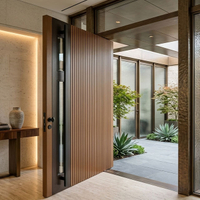 2026-08-18What Is a Pivot Door? Pros, Cons Explained
Considering a luxury pivot door? Discover the structural demands, weatherproofing risks, and design benefits before starting your custom build.
-
 2026-08-18How To Build Arched Door with Glass?
Master custom arched door fabrication. Learn to prevent warping and leaks with expert bent lamination, curved glass, and weatherproofing.
-
 2026-08-11Arched Door Ideas for Modern Home Interiors
Planning an arched doorway? Avoid costly mistakes with this expert guide to structural framing, material selection, and flawless installation.
-
 2026-07-28Solid Wood Door vs Engineered Wood Door: Which Is Better?
Solid vs. engineered wood doors: Avoid costly warping and hardware failures. Discover their structural differences to choose the perfect door.
-
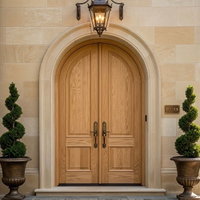 2026-08-04Arched Door Cost Guide for Custom Homeowners
Planning a custom arched door? Discover the hidden costs of curved framing, specialized millwork, and material trade-offs to budget accurately.
-
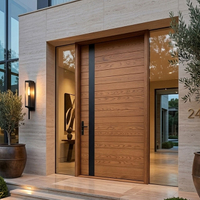
-
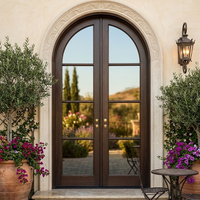 2026-07-14Custom Arched Exterior Doors: What Buyers Should Know
Specify custom arched entryways with confidence. This guide covers materials, weatherproofing, glass integration, and manufacturing for high-end homes.
-
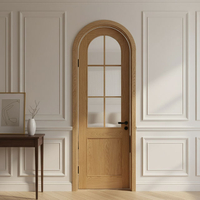 2026-07-07Modern Arched Interior Doors Design Trends 2026
Explore 2026 arched door trends. Learn about minimalist designs, material selection, installation challenges, and cost analysis for your project.


